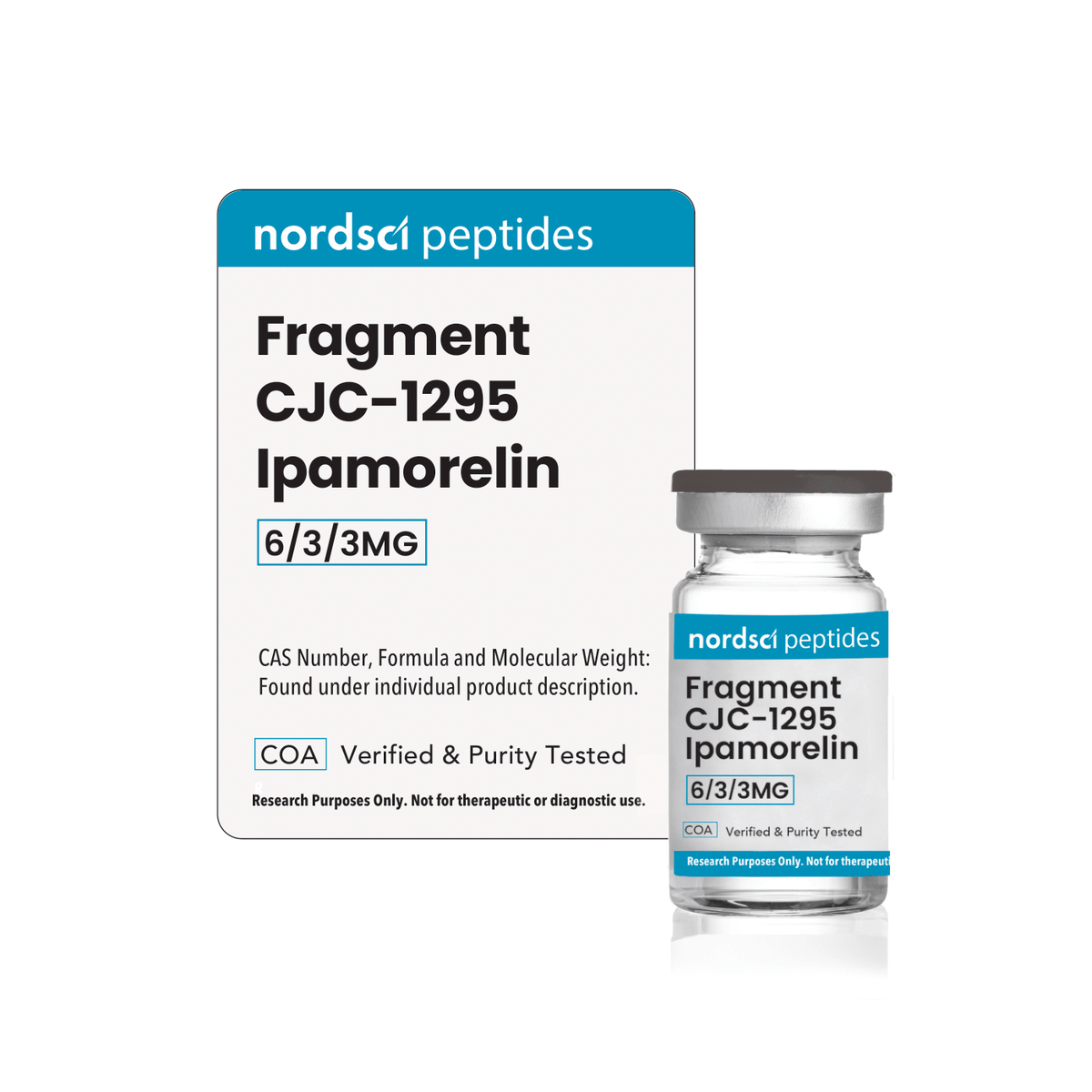
Fragment 176-191, CJC-1295 (No DAC), Ipamorelin Blend – Product Description
The Fragment 176-191, CJC-1295 (No DAC), Ipamorelin Blend is structured for laboratory research investigating
metabolic signaling pathways, growth hormone axis communication, and endocrine marker behavior within
controlled experimental models. By combining a growth hormone fragment peptide with a GHRH analog and a
growth hormone secretagogue, researchers can examine how multiple signaling inputs influence metabolic and
endocrine pathways simultaneously.
Multi-peptide experimental protocols such as this blend are often used in research environments where
investigators want to analyze interactions between GH-axis signaling and metabolic marker activity.
Because combination peptide studies introduce additional variables, well-designed experimental frameworks
typically emphasize strict endpoint definitions, consistent environmental conditions, and detailed
documentation to maintain reproducibility.
Fragment 176-191, CJC-1295 (No DAC), Ipamorelin Blend – Research Specifications:
| Format | Lyophilized peptide blend (research format) |
| Contents | Fragment 176-191 + CJC-1295 (No DAC) + Ipamorelin |
| Purity / Identity | Research-grade; refer to Certificate of Analysis (COA) for lot-specific analytical data |
| Source | Peptide synthesis with standardized processing and QC documentation |
| Appearance | Powder (lyophilized) |
| Storage Conditions | Store sealed in a cool, dry environment protected from heat, light, and moisture. Maintain lot integrity per laboratory SOPs. |
| Research Use Only | Supplied exclusively for laboratory research use. Not for human consumption, clinical use, or veterinary applications. |
What Is a Fragment 176-191, CJC-1295 (No DAC), Ipamorelin Blend? Research Background
Fragment 176-191 is a modified fragment of the human growth hormone sequence that is frequently referenced
in metabolic research involving lipid metabolism and adipose tissue signaling pathways. In laboratory
models, this peptide fragment is sometimes evaluated for its potential influence on metabolic marker
behavior independent of broader GH-axis endocrine effects.
CJC-1295 without DAC is a modified growth hormone–releasing hormone analog studied in research environments
exploring pulsatile GH signaling patterns. Because the compound lacks the Drug Affinity Complex (DAC)
modification present in some long-acting variants, researchers often use it in experimental models where
shorter signaling windows and clearer pulse-response patterns are desirable.
Ipamorelin is a growth hormone secretagogue that interacts with ghrelin receptor pathways and is frequently
used in laboratory models examining pituitary response mechanisms and endocrine signaling cascades.
Combining these peptides allows researchers to evaluate how metabolic signaling variables interact with
growth hormone–related pathways in multi-variable experimental systems.
Individual compound information can also be referenced through the product pages for
Fragment 176-191,
CJC-1295 (without DAC),
and
Ipamorelin.
Important Research Notice: Nordsci products are supported by lot-level analytical documentation. Certificates of Analysis are available to support internal audits, method alignment, and reproducibility across research studies.
THIS PRODUCT IS INTENDED FOR LABORATORY RESEARCH USE ONLY. NOT FOR HUMAN CONSUMPTION. NOT INTENDED TO DIAGNOSE, TREAT, CURE, OR PREVENT ANY DISEASE OR CONDITION.
Fragment 176-191, CJC-1295 (No DAC), Ipamorelin Blend – Key Research Applications
1. Metabolic Signaling and Lipid Metabolism Research
Fragment 176-191 is often studied in laboratory models investigating metabolic signaling pathways related
to lipid metabolism. In controlled research environments, investigators may evaluate how metabolic markers
respond when this peptide fragment is combined with GH-axis signaling variables.
2. Growth Hormone Pulse Pattern Studies
CJC-1295 (No DAC) and Ipamorelin are frequently used in GH-axis research examining pulsatile hormone
release patterns. When included in a blended experimental protocol, researchers may observe how endocrine
marker fluctuations change across timed sampling intervals.
3. Multi-Pathway Endocrine Research Models
This blend enables researchers to evaluate interactions between metabolic signaling variables and
endocrine pathway responses. Comparative research designs may analyze whether combined signaling inputs
produce additive or synergistic changes in downstream biomarker profiles.
4. Comparative Research: Blend vs Single Compound Protocols
Many peptide research programs include both blended and single-compound experimental conditions.
This research structure allows investigators to determine whether observed effects arise from
individual signaling pathways or the interaction of multiple peptides.
Handling and Research Use Considerations
The Fragment 176-191, CJC-1295 (No DAC), Ipamorelin Blend should be handled according to standard peptide
laboratory procedures emphasizing contamination prevention, proper storage conditions, and detailed
experimental documentation. Maintaining stable laboratory environments helps improve reproducibility
across research studies.
Protocol Design Considerations: Growth hormone signaling and metabolic marker experiments
are sensitive to circadian rhythm timing, baseline metabolic status, environmental conditions, and stress
variables. Standardized sampling windows and controlled laboratory environments are essential for reliable
data interpretation.
Note: The information above is provided solely as a research reference summary. All experimental work
must be conducted by qualified researchers in appropriate laboratory facilities.
Fragment 176-191, CJC-1295 (No DAC), Ipamorelin Blend – Certificate of Analysis (COA)
Each lot of this peptide blend includes a Certificate of Analysis verifying peptide identity and quality
parameters. These analytical reports assist laboratories with procurement verification, regulatory
documentation, and reproducibility tracking across experimental studies.
Where to Buy Fragment 176-191, CJC-1295 (No DAC), Ipamorelin Blend for Research
Laboratories sourcing peptides for metabolic and endocrine signaling research typically prioritize
traceable documentation, reliable manufacturing processes, and strict quality-control standards.
Nordsci Peptides provides research-grade peptide materials supported by analytical documentation
and standardized synthesis protocols designed to support reproducible laboratory research.
IMPORTANT: This product is supplied exclusively for laboratory research use. It is not
approved for human consumption or clinical application. Researchers are responsible for complying with
all applicable regulatory and institutional guidelines.
Scientific References
- Research literature describing growth hormone fragment peptides and metabolic signaling pathways.
- Studies evaluating GHRH analog signaling and hypothalamic–pituitary axis interactions.
- Research examining ghrelin receptor–mediated growth hormone secretagogue pathways.
- Peptide synthesis and laboratory quality assurance standards related to analytical documentation and lot traceability.