More About BPC-157
BPC-157, also known as Body Protection Compound-157, is a synthetic pentadecapeptide supplied as a laboratory research material. It contains 15 amino acids and is manufactured through chemical synthesis for controlled analytical and experimental use.
Published research involving BPC-157 has included biochemical assays, cell cultures, and nonhuman experimental systems. Investigated subjects include peptide stability, fibroblast activity, cell migration, endothelial signaling, nitric oxide-associated pathways, extracellular-matrix processes, oxidative-stress markers, and molecular responses under defined laboratory conditions.
These research categories do not establish that BPC-157 is safe or effective for any clinical, consumer, or veterinary purpose. Nordsci BPC-157 is supplied exclusively for controlled laboratory research conducted by qualified professionals.
Shop All Peptides
What Is BPC-157?
BPC-157 is a laboratory-synthesized peptide composed of 15 amino acids. Scientific literature describes the sequence as a fragment associated with a larger gastric protein.
Its defined structure makes BPC-157 a subject of laboratory investigation involving:
- Peptide identity and characterization
- Stability and degradation
- Protein and peptide interactions
- Fibroblast activity
- Endothelial-cell signaling
- Cell-migration measurements
- Extracellular-matrix markers
- Nitric oxide-associated pathways
- Oxidative-stress markers
- Gene-expression responses
These are experimental research categories. They should not be interpreted as health claims, approved indications, expected physiological outcomes, or instructions for use.
BPC-157 Peptide Structure
BPC-157 is a pentadecapeptide with the following reported structural and product characteristics:
| Product |
BPC-157 |
| Sequence |
Gly-Glu-Pro-Pro-Pro-Gly-Lys-Pro-Ala-Asp-Asp-Ala-Gly-Leu-Val |
| Molecular Formula |
C62H98N16O22 |
| Molecular Weight |
Approximately 1419.56 g/mol |
| PubChem CID |
108101 |
| Form |
Lyophilized research material |
| Source |
Chemical synthesis |
| Available Unit Sizes |
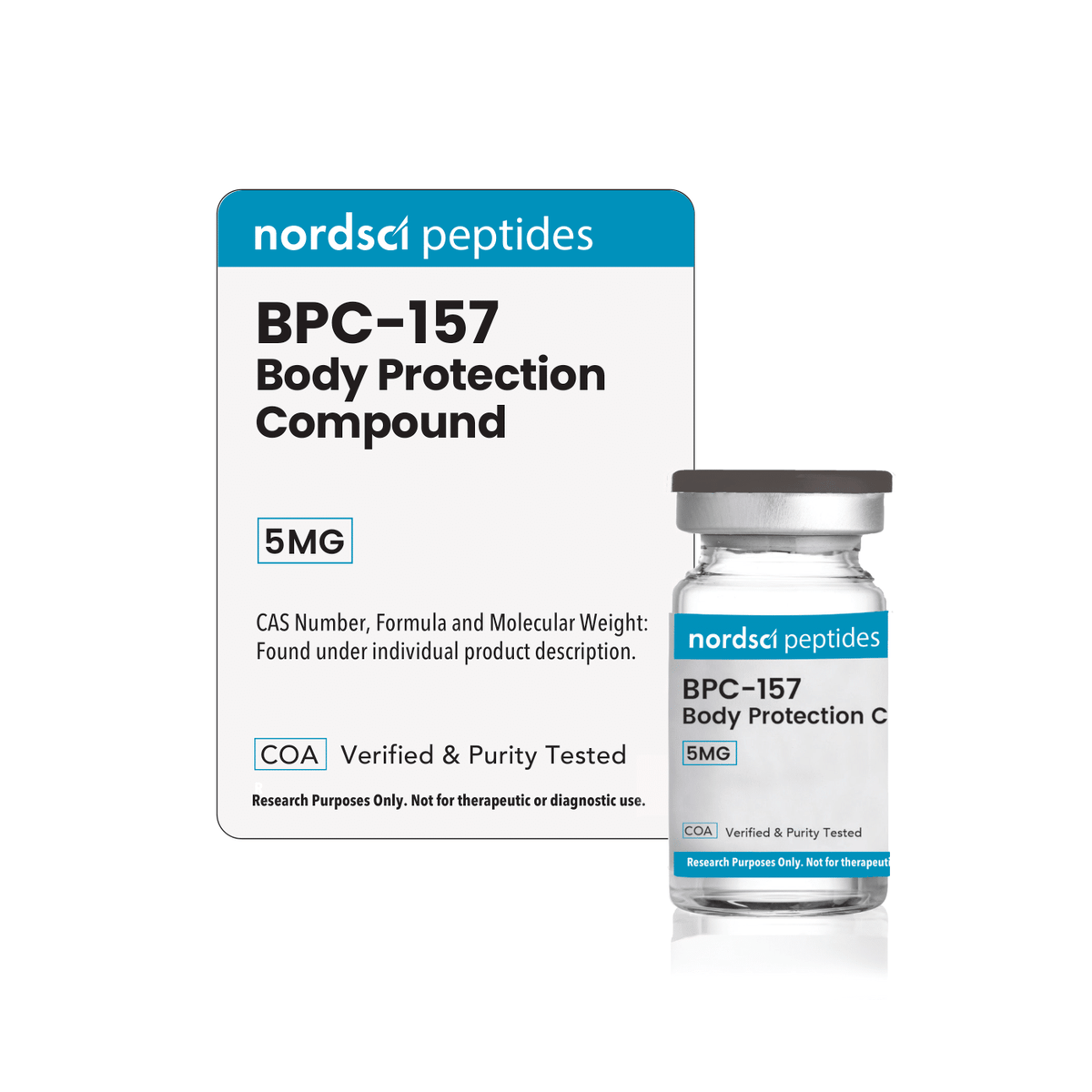
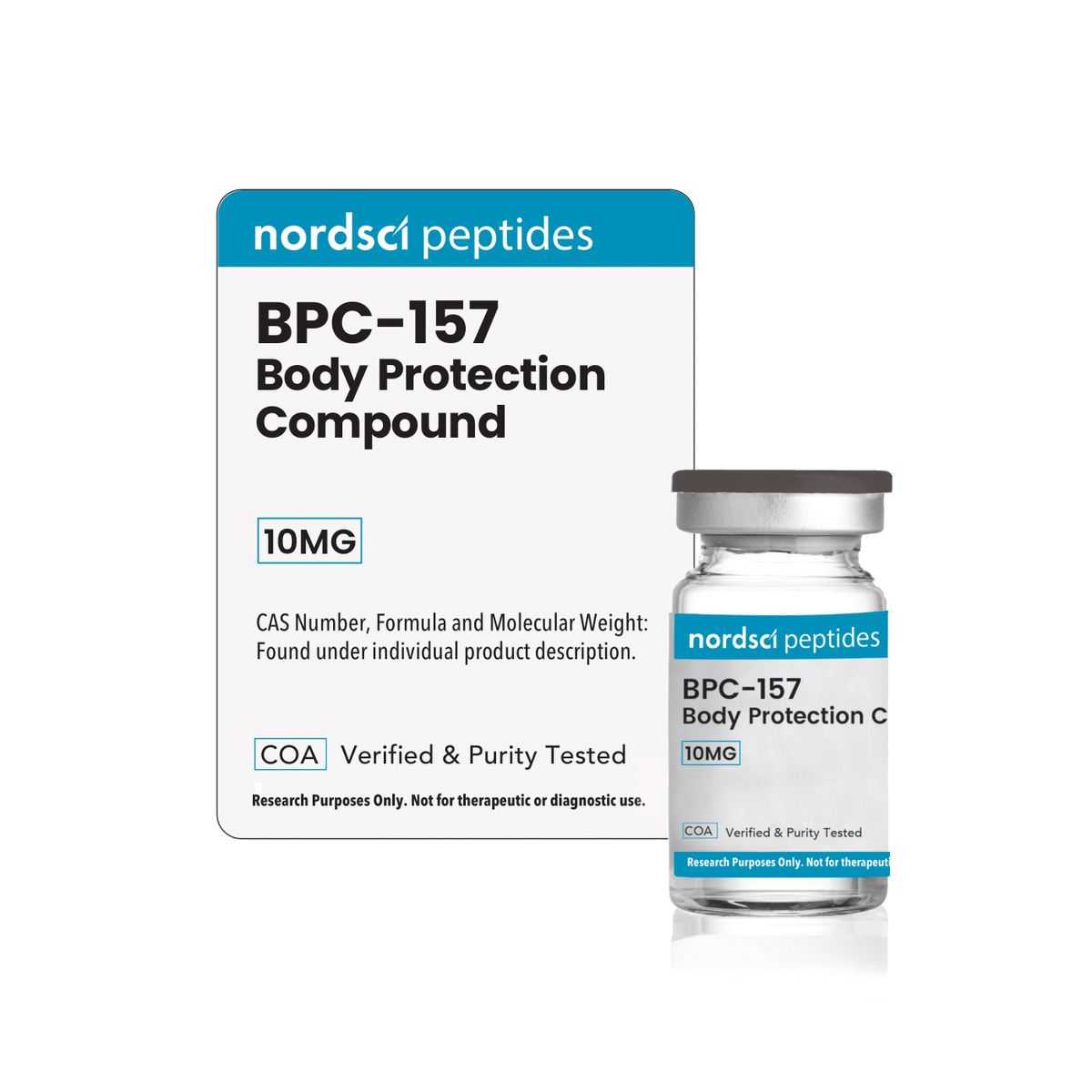
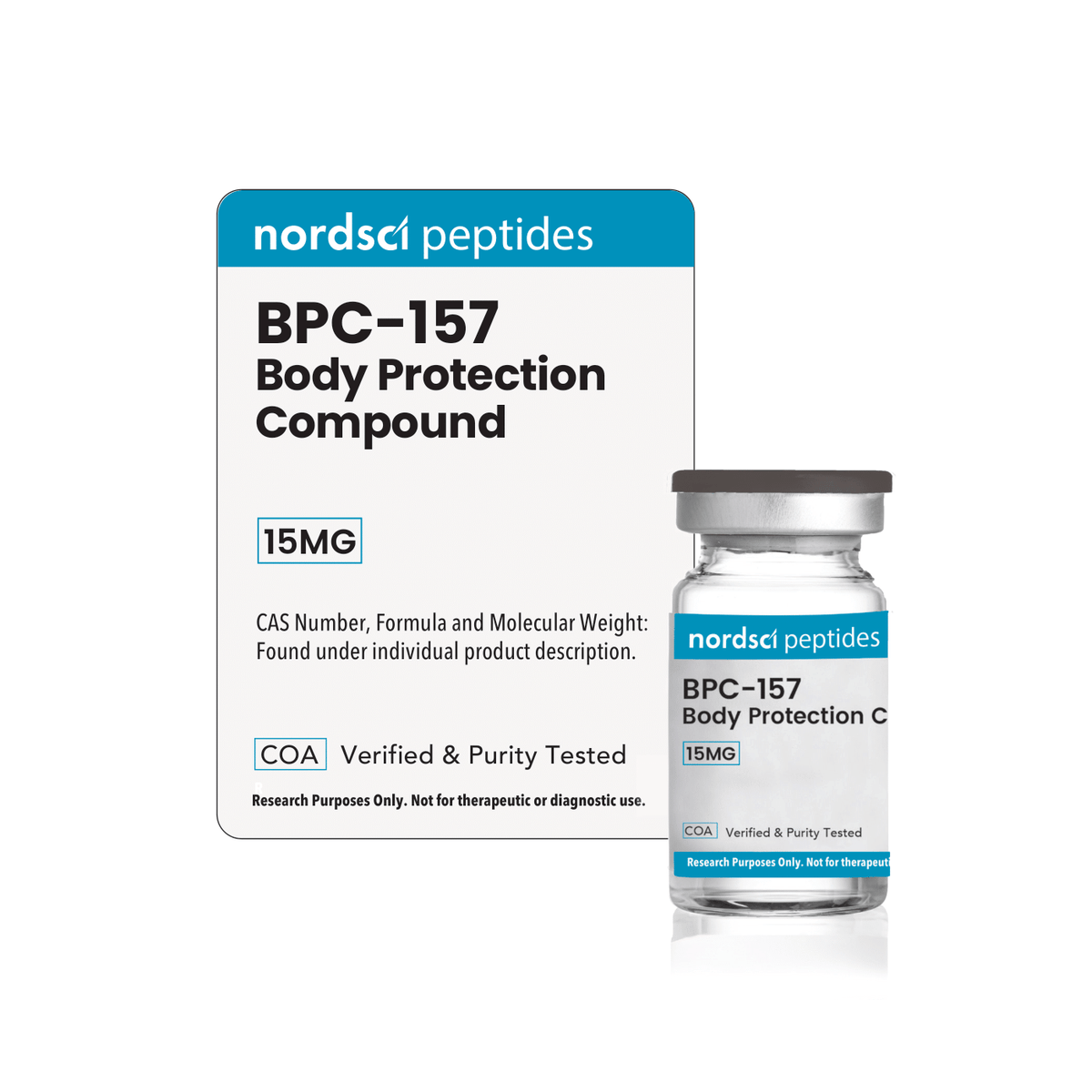
5mg, 10mg, or 15mg per vial |
| Testing |
Review the batch-specific Certificate of Analysis for applicable identity, purity, and analytical testing information |
| Intended Use |
In-vitro laboratory research only |
Researchers should verify product specifications against the label and batch-specific Certificate of Analysis.
Reference: PubChem Compound Summary for BPC-157
BPC-157 Peptide Research
Published literature has examined BPC-157 in laboratory and nonhuman experimental systems. The following sections describe general areas of scientific investigation without presenting the compound as a treatment, consumer product, or approved veterinary material.
1. BPC-157 in Fibroblast and Matrix Research
Laboratory studies have incorporated BPC-157 into experiments involving fibroblast proliferation, migration, cytoskeletal organization, and extracellular-matrix activity.
Fibroblasts are frequently evaluated in laboratory models because of their involvement in collagen production, matrix organization, cell adhesion, and tissue-model development. Experimental methods associated with this research have included cell-culture assays, microscopy, protein analysis, staining procedures, and gene-expression measurements.
Results obtained from these systems are specific to the models, methods, concentrations, controls, and endpoints used. They do not establish safety, efficacy, or expected outcomes in humans or animals.
2. BPC-157 in Endothelial and Vascular-Signaling Models
BPC-157 has been examined in cell-based and nonhuman models involving endothelial-cell behavior and vascular-signaling pathways.
Reported research subjects include:
- Endothelial-cell proliferation
- VEGFR2-associated signaling
- Nitric oxide-related mechanisms
- Cell-migration measurements
- Vascular-response markers
- Experimental occlusion models
Findings obtained from cultured cells, embryos, rodents, or other nonhuman systems cannot be treated as clinical evidence. This product is not intended for cardiovascular, circulatory, therapeutic, diagnostic, or other medical applications.
3. BPC-157 in Connective-Tissue Research Models
Preclinical studies have incorporated BPC-157 into experimental systems involving tendon-derived fibroblasts and connective-tissue markers.
Methods reported in this area of research include:
- Fibroblast culture
- F-actin staining
- Cell-migration assays
- Focal-adhesion analysis
- Paxillin and FAK phosphorylation measurements
- Histological examination
These endpoints are used to observe cellular and molecular activity under controlled laboratory conditions. References to connective tissue identify the experimental system and do not indicate an approved application or expected physiological result.
4. Oxidative-Stress Marker Research
BPC-157 has been examined in nonhuman and cell-based models measuring oxidative-stress-associated markers.
Reported laboratory endpoints include reactive oxygen species, lipid-peroxidation markers, nitric oxide-associated activity, and biochemical responses under defined experimental conditions.
These observations remain limited to their respective models, methodologies, concentrations, controls, and endpoints. They should not be interpreted as evidence of a health benefit or consumer application.
5. Drug-Interaction and Toxicology Research Models
Some published studies have evaluated BPC-157 alongside other compounds in nonhuman toxicology and pharmacology models.
Experimental endpoints have included:
- Tissue histology
- Electrocardiographic variables
- Behavioral observations
- Biochemical markers
- Drug-associated cellular responses
- Comparative control-group measurements
This research does not authorize BPC-157 for use with medications or for any clinical, pharmaceutical, diagnostic, or therapeutic purpose. Nordsci does not provide drug-combination, administration, or clinical-use guidance.
6. BPC-157 in Nonhuman Biological Models
BPC-157 has been included in research involving several nonhuman systems, including rodent, avian, cell-culture, and honeybee models.
Honeybee research has examined gastrointestinal and colony-level endpoints under controlled apiary conditions. These studies represent species-specific experimental observations and do not establish a veterinary application.
Nordsci BPC-157 is not intended for animal use, veterinary practice, feed applications, agriculture, or environmental release.
Future BPC-157 Research
Future BPC-157 research may further evaluate the compound’s physicochemical characteristics and behavior in controlled laboratory systems.
Potential research categories include:
- Peptide identity and stability
- Degradation pathways
- Analytical method development
- Fibroblast signaling
- Endothelial-cell signaling
- Extracellular-matrix markers
- Nitric oxide-associated pathways
- Gene-expression responses
- Oxidative-stress measurements
- Comparative peptide characterization
Research protocols should incorporate suitable controls, validated analytical methods, documented concentrations, predefined endpoints, and institutionally approved handling procedures.
Results from cell cultures and nonhuman models do not establish human relevance, safety, efficacy, or an acceptable route of exposure. Nordsci does not provide dosing, injection, administration, application, consumption, or human-use instructions.
THIS PRODUCT IS INTENDED EXCLUSIVELY FOR IN-VITRO LABORATORY RESEARCH. NOT FOR HUMAN OR VETERINARY USE. NOT FOR CONSUMPTION. NOT FOR DIAGNOSTIC, THERAPEUTIC, FOOD, DRUG, COSMETIC, SUPPLEMENT, COMPOUNDING, OR HOUSEHOLD USE.
Article Author
This research overview is prepared and maintained by Nordsci for qualified laboratory researchers evaluating BPC-157 as an analytical research material.
The information is educational and describes published laboratory and preclinical research categories. It does not constitute medical, veterinary, pharmaceutical, compounding, diagnostic, or laboratory-safety advice.
Researchers are responsible for reviewing the original publications, verifying product specifications, examining batch-specific documentation, and determining whether the material is appropriate for their institutionally approved research.
Scientific Journal Author
Predrag Sikiric is an academic researcher whose name appears in multiple publications concerning BPC-157 and related experimental models. He has been affiliated with the University of Zagreb.
Predrag Sikiric is identified solely in connection with authorship of cited scientific literature. This reference does not indicate an endorsement, recommendation, commercial relationship, or affiliation between the researcher and Nordsci.
No scientist, author, institution, publisher, or journal cited on this page should be understood as endorsing the purchase, sale, or use of this product.
Referenced Citations
-
T. Huang et al., “Body protective compound-157 enhances alkali-burn wound healing in vivo and promotes proliferation, migration, and angiogenesis in vitro,” Drug Design, Development and Therapy, vol. 9, pp. 2485–2499, 2015.
-
D. Drmic et al., “Counteraction of perforated cecum lesions in rats: Effects of pentadecapeptide BPC 157, L-NAME and L-arginine,” World Journal of Gastroenterology, vol. 24, no. 48, pp. 5462–5476, 2018.
-
F. Amic et al., “Bypassing major venous occlusion and duodenal lesions in rats, and therapy with the stable gastric pentadecapeptide BPC 157, L-NAME and L-arginine,” World Journal of Gastroenterology, vol. 24, no. 47, pp. 5366–5378, 2018.
-
A. Duzel et al., “Stable gastric pentadecapeptide BPC 157 in the treatment of colitis and ischemia and reperfusion in rats: New insights,” World Journal of Gastroenterology, vol. 23, no. 48, pp. 8465–8488, 2017.
-
J. Vukojević et al., “Rat inferior caval vein ligature and particular new insights with the stable gastric pentadecapeptide BPC 157,” Vascular Pharmacology, vol. 106, pp. 54–66, 2018.
-
D. Drmic et al., “Celecoxib-induced gastrointestinal, liver and brain lesions in rats, counteraction by BPC 157 or L-arginine, aggravation by L-NAME,” World Journal of Gastroenterology, vol. 23, no. 29, pp. 5304–5312, 2017.
-
M.-J. Hsieh et al., “Therapeutic potential of pro-angiogenic BPC157 is associated with VEGFR2 activation and up-regulation,” Journal of Molecular Medicine, vol. 95, no. 3, pp. 323–333, 2017.
-
Z. Grabarevic et al., “The influence of BPC 157 on nitric oxide agonist and antagonist induced lesions in broiler chicks,” Journal of Physiology Paris, vol. 91, no. 3–5, pp. 139–149, 1997.
-
P. Sikiric et al., “Novel Cytoprotective Mediator, Stable Gastric Pentadecapeptide BPC 157. Vascular Recruitment and Gastrointestinal Tract Healing,” Current Pharmaceutical Design, vol. 24, no. 18, pp. 1990–2001, 2018.
-
S. Seiwerth et al., “BPC 157 and Standard Angiogenic Growth Factors. Gastrointestinal Tract Healing, Lessons from Tendon, Ligament, Muscle and Bone Healing,” Current Pharmaceutical Design, vol. 24, no. 18, pp. 1972–1989, 2018.
-
C.-H. Chang et al., “The promoting effect of pentadecapeptide BPC 157 on tendon healing involves tendon outgrowth, cell survival, and cell migration,” Journal of Applied Physiology, vol. 110, no. 3, pp. 774–780, 2010.
-
Y.-L. Hu et al., “FAK and paxillin dynamics at focal adhesions in the protrusions of migrating cells,” Scientific Reports, vol. 4, p. 6024, 2014.
-
K. Škrlec et al., “Engineering recombinant Lactococcus lactis as a delivery vehicle for BPC-157 peptide with antioxidant activities,” Applied Microbiology and Biotechnology, vol. 102, no. 23, pp. 10103–10117, 2018.
-
D. Strinic et al., “BPC 157 counteracts QTc prolongation induced by haloperidol, fluphenazine, clozapine, olanzapine, quetiapine, sulpiride, and metoclopramide in rats,” Life Sciences, vol. 186, pp. 66–79, 2017.
-
N. Jelovac et al., “Pentadecapeptide BPC 157 attenuates disturbances induced by neuroleptics: The effect on catalepsy and gastric ulcers in mice and rats,” European Journal of Pharmacology, vol. 379, no. 1, pp. 19–31, 1999.
-
I. Tlak Gajger et al., “Stable gastric pentadecapeptide BPC 157 in honeybee (Apis mellifera) therapy, to control Nosema ceranae invasions in apiary conditions,” Journal of Veterinary Pharmacology and Therapeutics, vol. 41, no. 4, pp. 614–621, 2018.
Citation titles are reproduced for bibliographic identification and do not represent product claims, approved uses, or endorsements by Nordsci.
ALL ARTICLES AND PRODUCT INFORMATION PROVIDED ON THIS WEBSITE ARE FOR INFORMATIONAL AND EDUCATIONAL PURPOSES ONLY.
Products offered by Nordsci are furnished exclusively for in-vitro laboratory research. In-vitro research is conducted outside a living organism. These products are not drugs, medicines, foods, dietary supplements, cosmetics, or medical devices and have not been approved by the FDA for clinical, diagnostic, therapeutic, veterinary, or consumer use.
Human or animal consumption, administration, application, compounding, and bodily introduction are strictly prohibited.